Bachelor Of Emergency Medical Technologist
About the Program
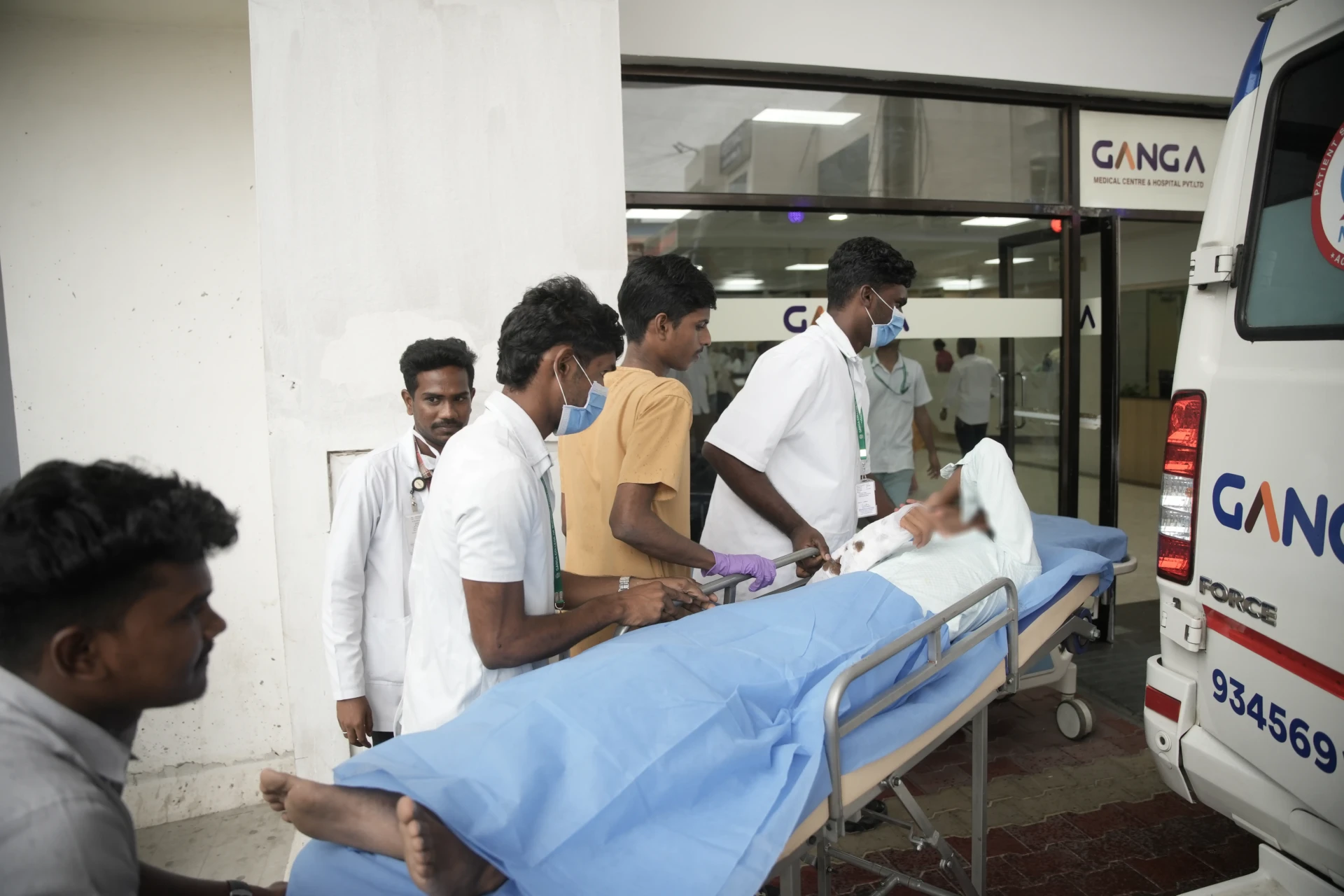
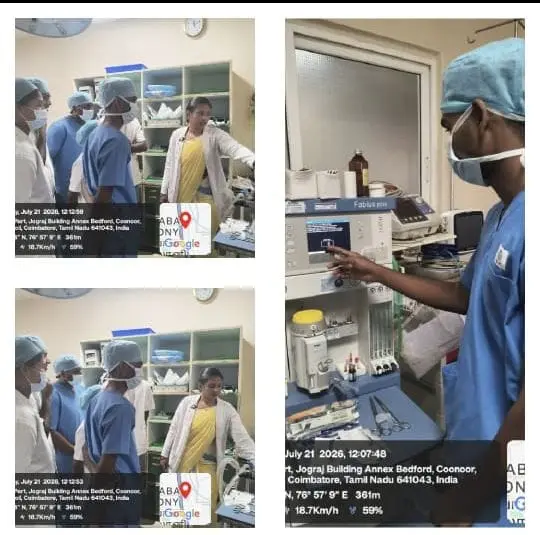
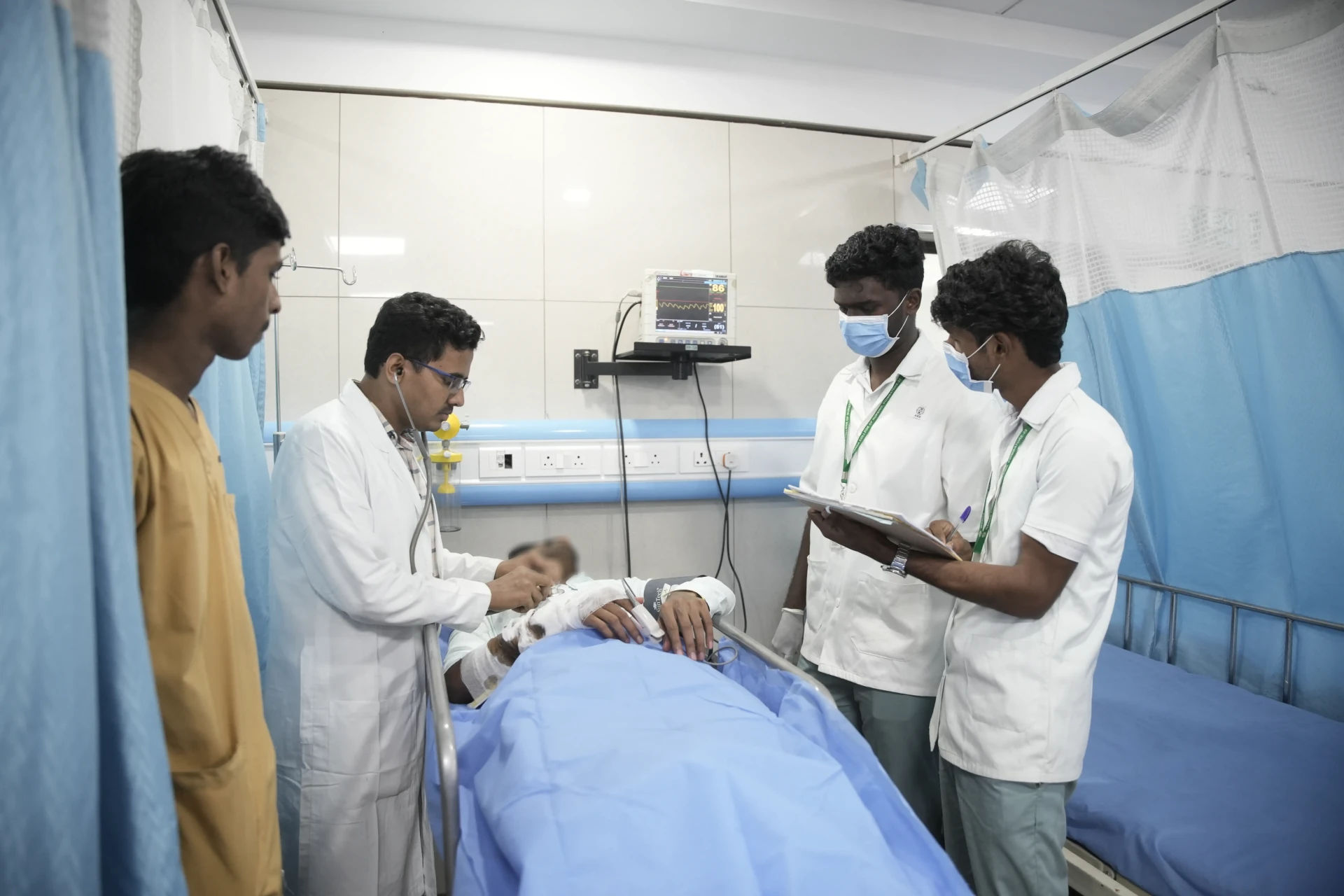
B.Sc. Accident and Emergency Care Technology is designed to train students in managing emergency and trauma cases in healthcare settings. The program equips learners with skills in quick patient assessment, stabilization, and critical care support. It also provides training in emergency procedures, life-saving interventions, and rapid response systems through a blend of theory and clinical practice in emergency and trauma care units.
What you are learning Result Experience
Structured academic setting focusing on emergency care discipline and teamwork.
-
Key Academic Features:
- Faculty guidance supports development of emergency care competencies.
- Emphasis on teamwork during high-pressure clinical emergency situations.
- Regular assessments ensure preparedness for real-world emergency scenarios.
- Focus on ethical practices and patient safety in emergencies.
Focus on Hands-on Learning
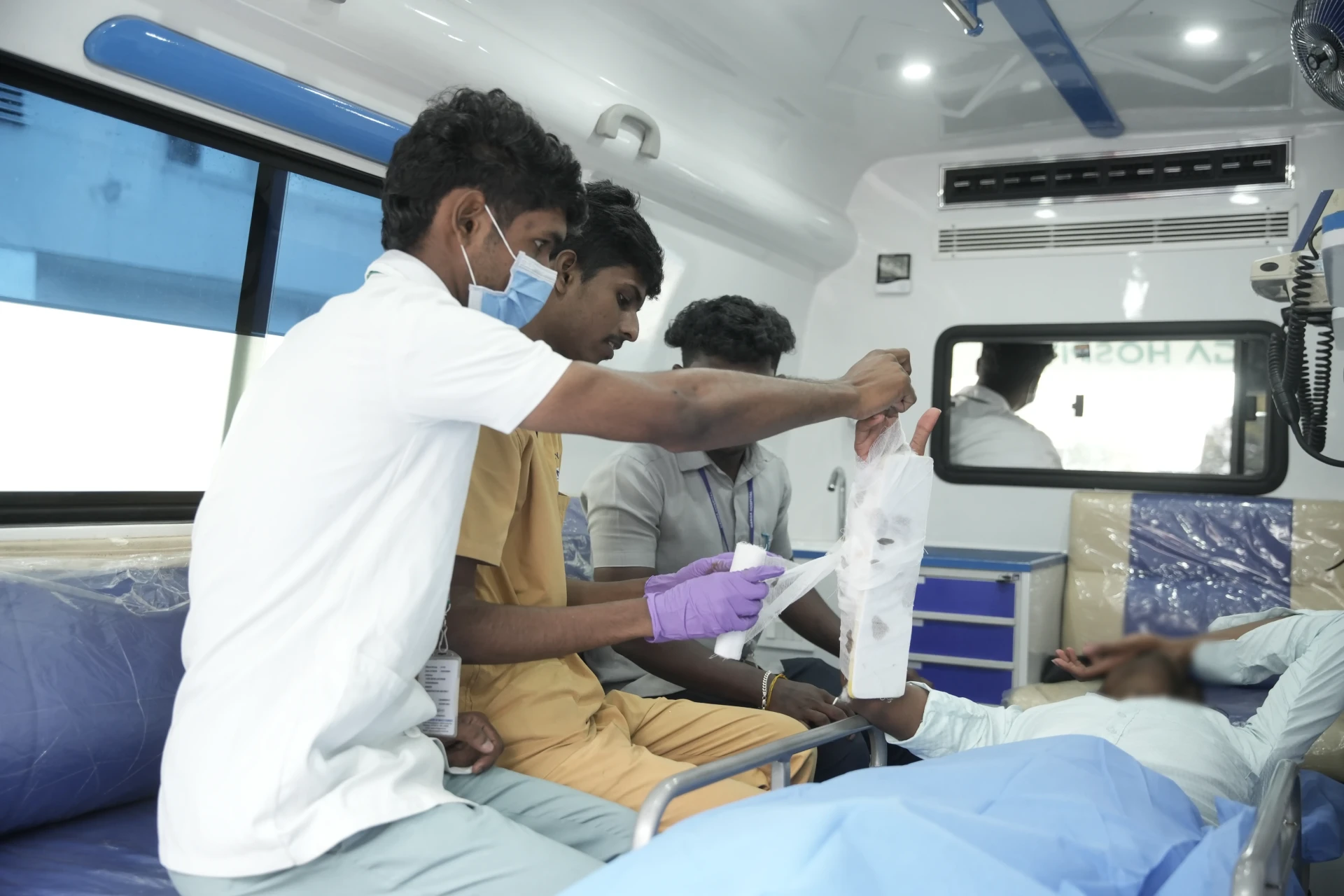
Practical training in trauma care, emergencies, and life-saving interventions..
-
Practical Training Highlights:
- Training in emergency response techniques and trauma care procedures.
- Exposure to casualty departments and real-time emergency situations.
- Hands-on practice in patient stabilization and monitoring techniques.
- Simulation-based training for critical emergency and disaster scenarios.
Comprehensive Academic Roadmap For Your 4 Year Journey
| S.No | Years | Subjects |
|---|---|---|
| 1 | 1st Year | |
| 2 | 2nd Year | |
| 3 | 3rd Year | |
| 4 | 4th Year |
Career Advancement
Graduates of the B.Sc. Accident and Emergency Care Technology program can build careers in emergency departments, trauma centers, ambulance services, and critical care units, with opportunities for growth in pre-hospital care, disaster management, and advanced emergency medical services.
Association
The Emergency Medical Services Association of India (EMSAI) is a professional organization supporting emergency care practitioners in India. It promotes high standards in emergency medical education and practice, encourages skill development, and supports continuous professional growth to improve the quality of emergency and trauma care services.